
dyson dc24 instruction manual
Dyson DC24 Instruction Manual: A Comprehensive Guide
This manual provides essential guidance for safe and effective operation of your Dyson DC24 vacuum. It details assembly, maintenance, and troubleshooting procedures, ensuring optimal performance and longevity.
The Dyson DC24 represents a significant advancement in vacuum cleaner technology, offering powerful suction and versatile cleaning capabilities in a compact design. Released in 2007, this model was engineered for homes with various floor types, boasting a root cyclone technology that prevents loss of suction as the bin fills.
This instruction manual serves as your comprehensive guide to understanding and utilizing all the features of your DC24. From initial setup and operation to detailed maintenance procedures, we’ll cover everything you need to know. Remember to always prioritize safety when operating electrical appliances, and unplug the vacuum when not in use or before servicing. Proper care will ensure years of reliable performance from your Dyson DC24.
Key Features and Specifications
The Dyson DC24 distinguishes itself through its Root Cyclone™ technology, maintaining consistent suction power even as the dust bin fills – a crucial feature for uninterrupted cleaning. Its compact, lightweight design enhances maneuverability, making it ideal for various spaces. This model is specifically designed for all floor types, adapting seamlessly between surfaces.
Specifications include: a cord length of approximately 25 feet, a bin volume of 0.33 gallons, and a maximum wattage of 1400W. The DC24 operates on standard electrical power and is intended for dry locations only. It comes equipped with several attachments for versatile cleaning, detailed in later sections of this manual. Understanding these features will optimize your cleaning experience.
Setting Up Your Dyson DC24
Proper setup is crucial for optimal performance; This section guides you through unboxing, assembly, and initial power connection for your new Dyson DC24 vacuum.
Unboxing and Component Identification
Carefully unpack your Dyson DC24, ensuring all components are present. You should find the main body, wand, bin assembly, floor tool, and potentially various attachments like the crevice and combination tools. Refer to the parts list (found elsewhere in this manual) to verify everything is accounted for.
Inspect each part for any shipping damage before proceeding. The dust bin should be securely attached, and the wand should slide smoothly into the main body. Familiarize yourself with the location of the power button and suction controls. Retain the original packaging for potential future transport or storage. A schematic diagram will aid in identifying each component accurately.
Assembling the Dyson DC24
Begin by securely attaching the bin assembly to the main body of the Dyson DC24. Ensure it clicks firmly into place, creating an airtight seal. Next, connect the wand to the back of the main body; it should slide in and lock with a distinct click. Attach your desired floor tool – the standard floor tool is suitable for most surfaces.
Verify all connections are stable before use. Improper assembly can reduce suction power and potentially damage the machine. Refer to the included diagrams for visual guidance if needed. Do not force any connections; gentle pressure should suffice; A properly assembled DC24 is crucial for optimal cleaning performance.
Initial Setup and Power Connection
Before first use, inspect the Dyson DC24 for any visible damage sustained during shipping. Ensure all components are present and correctly assembled as outlined in the previous section. Locate the power cord and plug it into a grounded electrical outlet. Do not use extension cords, as they can reduce suction power.
Confirm the dust bin is properly installed and empty. It’s vital to unplug the vacuum when not in use or during maintenance. Avoid operating the DC24 outdoors or on wet surfaces; it’s designed for dry indoor locations only. Always prioritize electrical safety when connecting and operating your Dyson.

Operating the Dyson DC24
Proper operation involves powering the unit on/off, adjusting suction, selecting floor settings, and skillfully navigating around furniture and obstacles.
Powering On and Off
To initiate operation, firmly press the power button located on the main body of the Dyson DC24. A clear indication of power activation will be visible, typically through an illuminated light or a change in the motor’s sound.

Always ensure the dust bin is correctly installed before powering on to prevent any operational issues. To safely switch off the vacuum, depress the power button once more.
Crucially, never leave the Dyson DC24 plugged in when not in use. Always unplug from the electrical socket before any maintenance or servicing procedures are undertaken. This precaution minimizes potential electrical hazards and ensures user safety. Remember to disconnect when not actively cleaning.
Adjusting Suction Power
The Dyson DC24 automatically adjusts suction power based on the floor type detected. However, for specific cleaning needs, manual adjustment may be required. Observe the floor head and ensure it’s correctly configured for the surface.
For delicate surfaces like curtains or lampshades, utilize the slider on the handle to reduce suction. This prevents damage and ensures effective cleaning without causing harm. Conversely, increase suction for deep cleaning carpets and rugs.
Monitoring the motor sound can also indicate suction levels; a higher pitch generally signifies increased power. Regularly check for blockages, as these can reduce suction regardless of the setting. Maintaining optimal suction ensures efficient cleaning performance.
Using Different Floor Settings
The Dyson DC24 is designed for versatile cleaning across various floor types. Its automatic head adjustment transitions between hard floors and carpets, optimizing suction for each surface. Ensure the floor head is correctly positioned for effective cleaning.
For hard floors, the machine automatically seals the cleaner head to prevent air leaks, maximizing suction. On carpets, the brush bar activates to agitate and lift dirt. Regularly inspect the brush bar for obstructions like hair or string.
If encountering difficulty transitioning between surfaces, verify the floor head is free of debris and the suction is appropriately adjusted. Proper floor setting selection enhances cleaning performance and protects your floors.
Navigating Around Obstacles
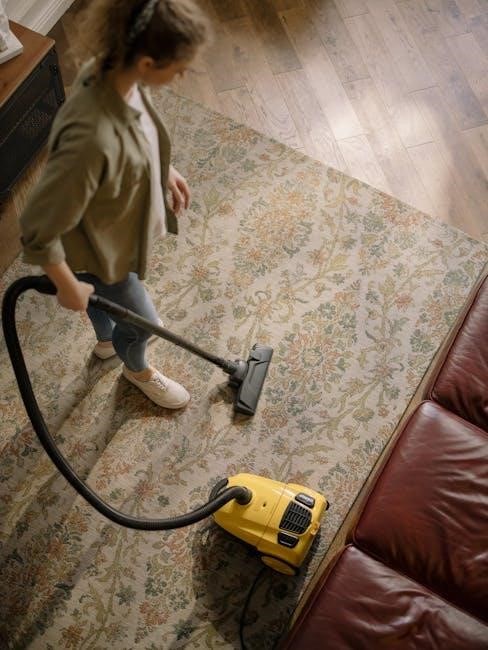
The Dyson DC24’s steering mechanism allows for excellent maneuverability around furniture and tight spaces. Its lightweight design further enhances ease of use during navigation. Gently pivot the machine using the handle to avoid bumping into objects.
Be mindful of cords and loose rugs, as these can become entangled in the brush bar. Slow down when approaching obstacles to prevent damage to both the machine and your surroundings. Avoid forceful impacts, which could cause scratches or dents.
Utilize the wand and attachments for cleaning under furniture and in hard-to-reach areas. Careful navigation ensures a thorough clean without causing damage.

Attachments and Their Uses
Dyson DC24 includes specialized tools for versatile cleaning. These attachments extend reach and tackle various surfaces, from crevices to upholstery, maximizing cleaning efficiency.
Crevice Tool – Detailed Application
The Dyson DC24’s crevice tool is designed for precision cleaning in tight, hard-to-reach areas. This slender attachment excels at removing dust and debris from narrow gaps, such as those found between cushions, along edges, and in car interiors.
To utilize effectively, firmly attach the crevice tool to the wand. Apply steady pressure while maneuvering the tool along the targeted crevice. The concentrated suction power will dislodge embedded dirt.
It’s particularly useful for cleaning baseboards, around furniture legs, and within window tracks. Regularly inspect the tool for blockages and ensure it’s securely connected for optimal performance. This tool significantly enhances the DC24’s cleaning versatility.
Combination Tool – Versatile Cleaning
The Dyson DC24’s combination tool offers dual functionality for diverse cleaning tasks. Featuring a brush head that slides out with a simple adjustment, it seamlessly transitions between upholstery cleaning and general surface dusting.
Use the brush retracted for wider area dusting of furniture, shelves, and lampshades. Extend the brush for effective cleaning of upholstery, curtains, and car interiors, gently agitating fibers to release trapped dust and allergens.
This tool’s adaptability makes it ideal for delicate surfaces. Ensure the brush is clean to prevent scratching. Regularly check for obstructions within the brush head for consistent suction. It’s a truly versatile addition to your DC24 cleaning arsenal.
Stair Tool – Effective Stair Cleaning
The Dyson DC24 stair tool is specifically designed for efficient and thorough stair cleaning. Its narrow nozzle and focused suction power allow you to reach into corners and along edges, effectively removing dust, dirt, and debris from each step.
Employ a deliberate, overlapping motion as you move the tool across the stair surface. Pay particular attention to the risers and treads, where dust accumulates most readily. The tool’s compact size facilitates easy maneuverability on both carpeted and hard stairs.
Regularly inspect the tool for blockages to maintain optimal suction. Combining this tool with the DC24’s adjustable power settings ensures a pristine clean for your entire staircase.
Mini Motorized Tool – Pet Hair Removal
The DC24’s mini motorized tool is a powerhouse for tackling pet hair on upholstery, car interiors, and tight spaces. Featuring rotating brush bars, it directly agitates and lifts embedded pet hair, dander, and allergens that standard vacuuming often misses.
Apply gentle pressure and move the tool in slow, overlapping strokes. The brush bar’s bristles effectively loosen hair from fabrics, while the strong suction captures it within the DC24’s bin. Regularly check and remove any hair wrapped around the brush bar for peak performance.
This attachment is invaluable for pet owners seeking a truly deep clean, restoring freshness to furniture and removing troublesome pet hair.

Maintenance and Troubleshooting
Regular maintenance ensures peak performance. This section covers emptying the dust bin, filter cleaning/replacement, and resolving common blockages for your Dyson DC24.
Emptying the Dust Bin
Maintaining optimal suction requires regular dust bin emptying. The DC24’s bin is transparent, allowing easy visibility of fill level. To empty, detach the bin from the machine by pressing the release button – typically located on the body of the vacuum.
Hold the bin over a suitable waste container and press the red bin release lever. This opens the bottom of the bin, allowing debris to fall out. Ensure all dust and debris are fully discharged.
Wipe the bin clean with a dry cloth if necessary. Reattach the bin securely to the Dyson DC24, ensuring it clicks firmly into place before resuming operation. Frequent emptying maximizes cleaning efficiency.
Washing the Filter – Step-by-Step Guide
Maintaining a clean filter is crucial for sustained suction power. Remove the filter from the Dyson DC24 – consult your diagram for precise location. Gently tap the filter to remove loose dust. Do not use detergents; wash only in cold water.
Rinse the filter thoroughly under a gentle stream of cold water until the water runs clear. Squeeze gently to remove excess water – avoid twisting, which can damage the filter material.
Allow the filter to air dry completely for at least 24 hours before reinstalling. A damp filter can damage the motor. Reinsert the fully dried filter, ensuring a secure fit. Regular washing – every few months – optimizes performance.
Checking for Blockages – Common Locations

Reduced suction often indicates a blockage. First, power off and unplug the Dyson DC24. Inspect the wand for obstructions – detach and visually examine. Check the hose, flexing it to reveal any trapped debris. The cyclone unit is another frequent culprit; carefully inspect for clogs.
Remove and examine the brush bar for tangled hair, string, or fibers. Finally, verify the airway leading to the dust bin is clear. Always ensure the machine is off before attempting to remove blockages.
Regularly checking these areas prevents performance decline and potential motor strain. A clear airway ensures optimal cleaning efficiency.
Replacing the Filter – When and How
Dyson DC24 filters require periodic replacement to maintain optimal suction and air quality. Replace the filter at least once a year, or more frequently with heavy use or pet ownership. A clogged filter diminishes cleaning performance.
To replace, locate the filter access point (refer to the parts diagram). Remove the old filter and insert the new one, ensuring a secure fit. Do not operate the vacuum without a filter, as this can damage the motor.
Genuine Dyson filters are recommended for best results. Regularly inspect the filter for damage or excessive dirt accumulation.

Advanced Troubleshooting
This section details solutions for complex issues like motor failures, brush bar malfunctions, and potential electrical faults—prioritizing safety at all times.
Motor Issues and Solutions
Diagnosing motor problems requires careful observation. If the DC24 lacks power, first verify the power cord and outlet. A humming sound without brush rotation suggests a blockage – immediately disconnect and inspect the hose and wand. Reduced suction, even with a clear airway, could indicate a failing motor.
Attempting motor repair is generally not recommended due to complexity and safety concerns; contact Dyson support. However, checking for burnt smells or visible damage to the motor housing can help determine severity. Never operate the vacuum if you suspect a significant motor fault, as this poses an electrical hazard. Professional servicing is crucial for lasting repairs.
Brush Bar Problems – Diagnosis and Repair
A non-rotating brush bar significantly reduces cleaning effectiveness. First, disconnect the DC24 and inspect the brush bar for tangled hair, string, or debris – this is the most common cause. Carefully remove obstructions using scissors or a seam ripper. If the brush bar still doesn’t spin, check the belt for breakage or stretching; a replacement is often necessary.
Motorized brush bar issues can also stem from internal motor faults within the brush head itself. If the belt is intact and clear of debris, professional servicing may be required. Never attempt to disassemble the brush head motor without proper training, as this could cause further damage or injury.
Electrical Faults – Safety Precautions
Electrical faults pose serious safety risks; immediate action is crucial. If you notice sparks, burning smells, or the DC24 suddenly stops working with no apparent blockage, immediately unplug it from the power outlet. Do not attempt to continue using the machine.
Never attempt to repair electrical components yourself. Contact Dyson customer support or a qualified appliance repair technician. Avoid using the vacuum on wet surfaces or with wet hands. Ensure the power cord is undamaged; a frayed cord presents a shock hazard. Always unplug before checking for blockages or performing maintenance. Prioritize safety above all else.

Safety Information and Warnings
Always follow basic precautions when using the Dyson DC24. Never leave the plugged-in vacuum unattended and unplug it before servicing or when not in use.
Important Safety Instructions
Before using your Dyson DC24, carefully read all instructions and warnings in this manual. This appliance is designed for dry locations only; do not operate outdoors or on wet surfaces. To prevent electrical shock, never use the vacuum with a damaged cord or plug.
Always unplug the DC24 from the power outlet before performing any maintenance, including filter cleaning or blockage removal. Do not leave the vacuum unattended while plugged in. Avoid using the appliance to pick up flammable liquids or combustible materials.
Keep hair, loose clothing, fingers, and all body parts away from moving parts. Use only Dyson-approved attachments and accessories. Misuse can result in electric shock, fire, or injury. This appliance is not intended for use by persons (including children) with reduced physical, sensory or mental capabilities.
Electrical Safety Guidelines
To ensure safe operation, always inspect the power cord for damage before each use. If the cord is damaged, it must be replaced by Dyson or a qualified technician to avoid hazards. Never pull the cord to unplug the DC24; grasp the plug itself.
Do not use an extension cord with this appliance. Direct connection to a properly grounded electrical outlet is essential. Avoid operating the vacuum in areas where flammable liquids or gases are present.
Never attempt to repair the Dyson DC24 yourself. Refer all servicing to authorized Dyson service personnel. Ensure the voltage of your electrical supply matches the specifications listed on the appliance’s rating label. Unplug during servicing and before changing accessories.
Avoiding Damage to Surfaces
Before vacuuming, test the DC24 on an inconspicuous area of delicate surfaces like polished floors or antique furniture. The high suction power and brush bar can potentially cause scratching or damage if not used carefully.
Avoid vacuuming sharp objects, hard or pointed items, or anything that could damage the machine or be ejected during operation. When using attachments, be mindful of their contact with surfaces; utilize softer brush heads for delicate areas.
Do not force the vacuum across the floor; allow it to glide smoothly. Regularly check the brush bar for debris and ensure it rotates freely to prevent marking. Lift the head when maneuvering over thick rugs or cables.

Dyson DC24 Parts List & Schematic
This section details key components of the DC24, including a schematic diagram for easy identification and understanding of the vacuum’s internal structure.
Identifying Key Components
Understanding the DC24’s parts is crucial for maintenance and repair. Key components include the motor, cyclone assembly, dust bin, filters (pre-motor and post-motor), brush bar, wand, and various attachments like the crevice and combination tools. The cyclone technology separates dust and dirt from the airflow, directing it into the dust bin.
The brush bar, powered by a separate motor, agitates carpets to loosen debris. Filters ensure clean air exhaust. Refer to the schematic for precise locations and part numbers. Regularly inspecting these components helps maintain peak suction and overall performance. Proper identification aids in ordering replacement parts when needed, extending the lifespan of your Dyson DC24.
Understanding the Schematic Diagram
The DC24 schematic diagram is a visual representation of the vacuum’s internal structure. It illustrates the arrangement of components, their connections, and relative positions. This diagram is invaluable for troubleshooting, identifying parts during repair, and understanding the airflow path.
Each component is labeled with a specific part number, cross-referenced with the parts list. Trace the airflow from the inlet, through the cyclone, filters, motor, and finally to the exhaust. Familiarize yourself with the location of key parts like the brush bar motor and dust bin assembly. Using the schematic alongside physical inspection simplifies diagnostics and ensures correct reassembly after maintenance.