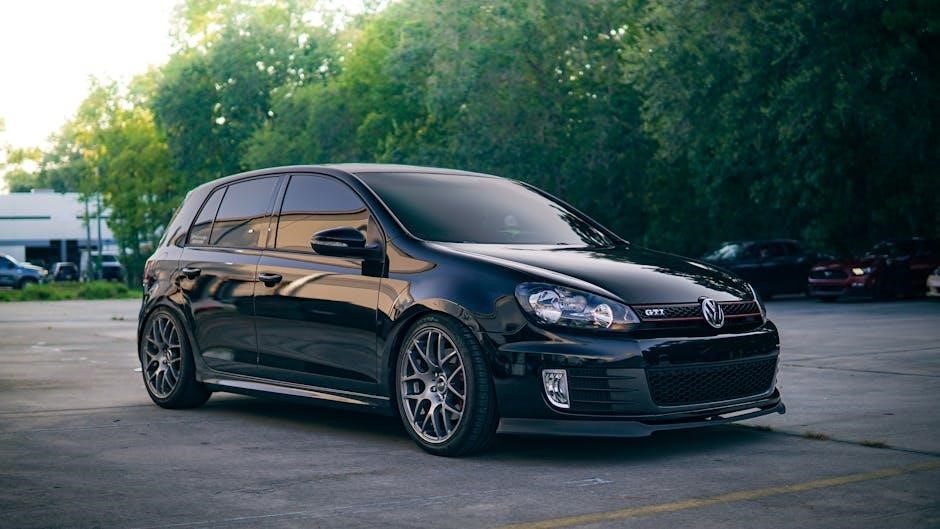
car tint guide
Car Tint Guide: A Comprehensive Overview (Updated 03/31/2026)
Navigating car window tinting requires understanding legal limits and film options; in Ohio, front side windows must allow at least 50% of light transmission.
Car window tinting is the process of applying a thin laminate film to the interior or exterior of your vehicle’s windows to darken them. This practice has evolved significantly from its initial purpose of simply reducing glare to now encompassing a wide range of benefits, including enhanced privacy, increased comfort, and protection from harmful ultraviolet (UV) rays.
Historically, tinting was primarily an aesthetic choice, offering a sleek and customized look to vehicles. However, modern tinting films are engineered with advanced technologies to deliver superior performance. Understanding the different types of films – dyed, metalized, ceramic, and carbon – is crucial for making an informed decision.
This guide provides a comprehensive overview of car window tinting, covering legal considerations, VLT levels, film types, the tinting process, and aftercare. We will also explore the future trends shaping this dynamic industry, ensuring you have all the information needed to enhance your driving experience.
Why Tint Your Car Windows?
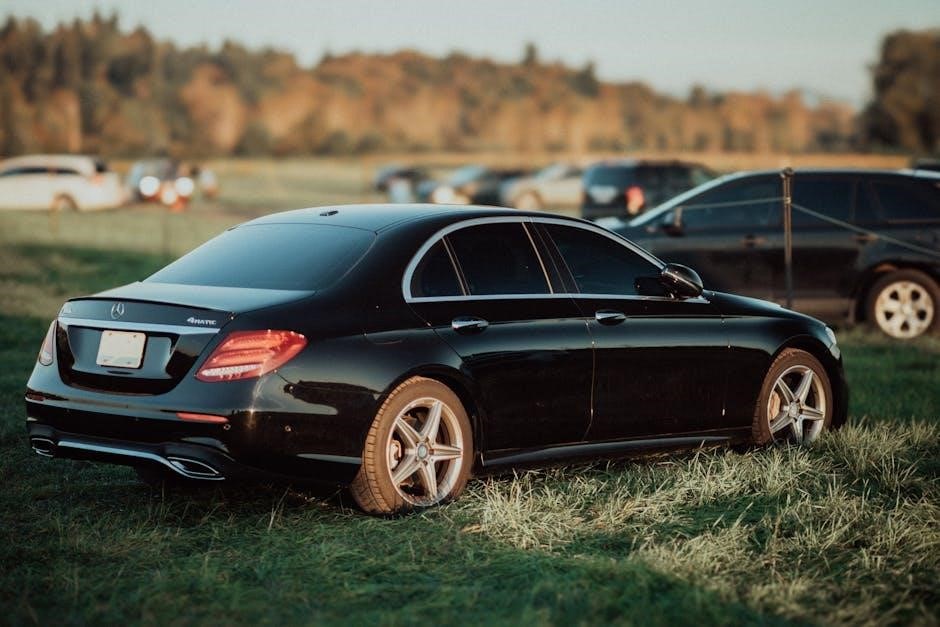
There are numerous compelling reasons to consider tinting your car windows, extending far beyond mere aesthetics. Primarily, tinting significantly reduces glare from the sun, improving driver visibility and enhancing safety, especially during bright daylight hours. This reduction in glare also contributes to a more comfortable driving experience, lessening eye strain on long journeys.
Furthermore, window tinting offers substantial protection against harmful UV rays. These rays can fade your car’s interior, causing cracking and discoloration of the dashboard and seats. Tinting blocks up to 99% of UV rays, preserving your vehicle’s interior and protecting your skin.
Tinting also enhances privacy, making it more difficult for others to see inside your vehicle, and can even improve security by deterring potential theft. Finally, certain tint films offer heat rejection properties, reducing the interior temperature of your car and lessening the load on your air conditioning system.
Legal Considerations: A State-by-State Overview
Car window tint laws are surprisingly complex, varying significantly from state to state, and even sometimes by locality within a state. These regulations typically focus on Visible Light Transmission (VLT), the percentage of light allowed to pass through the tinted windows. Some states have strict limitations on the darkness of tint, particularly on front side windows, prioritizing driver visibility.
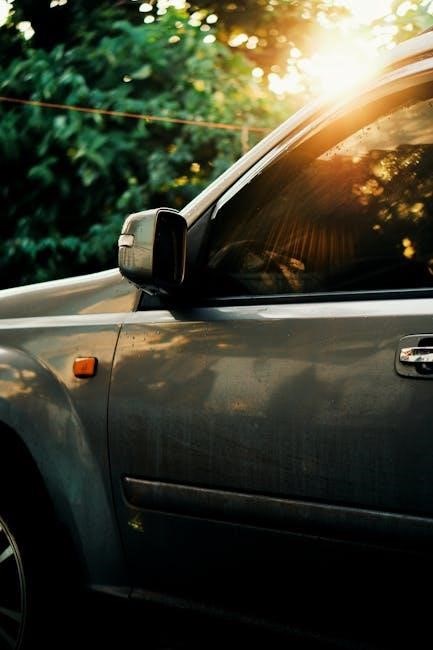
Other states are more lenient, allowing darker tints, but may have restrictions on the rear window or specific requirements for multiple front windows. It’s crucial to understand that violating tint laws can result in fines, and in some cases, a requirement to remove the tint to comply with regulations.
Therefore, before applying any tint, thorough research into your state’s specific laws is essential. Resources are available online, and local tint shops are generally knowledgeable about current regulations. Ignoring these laws can lead to legal issues and unnecessary expenses.
Ohio Tint Laws: Specific Regulations
Ohio’s regulations regarding car window tint are fairly specific, aiming to balance privacy with driver and pedestrian safety. The state mandates that front side windows must allow at least 50% of light to pass through, meaning a maximum tint darkness of 50%. Rear side windows and the rear window are more flexible, permitting a darkness level of 35% VLT – offering greater privacy.
It’s important to note that reflective tint is generally prohibited, regardless of VLT percentage. This restriction aims to prevent glare that could impair the vision of other drivers. Additionally, drivers are required to have a valid driver’s license and vehicle registration readily available, even with tinted windows.
Failure to comply with these regulations can result in a citation and a requirement to remove the tint. Always verify current laws, as they are subject to change.
Understanding Tint Percentage (VLT)
Visible Light Transmission (VLT) is the key metric when discussing car window tint. It represents the percentage of visible light that passes through the tinted window. A lower VLT percentage indicates a darker tint, blocking more light. For example, a 5% VLT tint allows only 5% of visible light to enter the vehicle, creating a very dark appearance.
Conversely, a higher VLT percentage means a lighter tint, allowing more light through. A 50% VLT tint lets in 50% of visible light, appearing much less noticeable. Understanding VLT is crucial because legal limits are defined by these percentages, varying by state and window location.
Choosing the right VLT level involves balancing privacy, heat reduction, and legal compliance. It’s essential to research your local laws before selecting a tint.
VLT Levels Explained: 8%, 12%, 20%, 35%, 50%
Different VLT percentages offer varying degrees of darkness and functionality. 8% VLT is extremely dark, providing maximum privacy but often exceeding legal limits. 12% VLT is also very dark, offering substantial privacy and heat rejection, frequently used for rear windows.
20% VLT strikes a balance, providing good privacy without being overly dark, and is a popular choice for rear windows where regulations are less strict. 35% VLT is a moderate tint, offering noticeable shade and heat reduction while remaining legal in many areas for front side windows.
Finally, 50% VLT is a light tint, providing minimal darkness but still offering some UV protection and glare reduction; it’s often the legal limit for front side windows in states like Ohio. Selecting the appropriate VLT depends on your needs and local regulations.
Types of Window Tint Film
Choosing the right window tint film involves understanding the different materials available, each with unique benefits. Dyed film is the most affordable option, offering basic glare reduction and privacy, but limited heat rejection. Metalized film incorporates metallic particles to enhance heat rejection and durability, providing a noticeable upgrade in performance.
Ceramic film represents a premium choice, utilizing ceramic particles for superior heat and UV protection without signal interference, making it ideal for vehicles with advanced electronics. Carbon film offers a balance between performance and price, providing good heat rejection and UV protection while being less expensive than ceramic.
Each film type caters to different needs and budgets, impacting the overall comfort and protection your vehicle receives from the sun’s harmful rays.
Dyed Film: Cost-Effective and Common
Dyed film remains the most popular and budget-friendly option for car window tinting, widely chosen for its affordability and ease of installation. This type of film consists of a pigment layer embedded within the polyester, absorbing a portion of the light that passes through. While it effectively reduces glare and provides a degree of privacy, its heat rejection capabilities are relatively limited compared to other film types.
Dyed films are available in a wide range of darkness levels, allowing drivers to customize their tint to meet personal preferences and legal requirements. However, the color can potentially fade over time with prolonged sun exposure. Despite this, dyed film offers a practical and economical solution for basic window tinting needs.
Metalized Film: Heat Rejection and Durability
Metalized window film incorporates tiny metallic particles within the polyester layer, significantly enhancing its heat rejection properties compared to dyed film. These metallic particles reflect solar energy, keeping the vehicle’s interior cooler and reducing the strain on the air conditioning system. This makes metalized film an excellent choice for hotter climates.
Beyond superior heat control, metalized films offer increased durability and scratch resistance. However, the metallic content can sometimes interfere with radio signals or GPS systems, although modern films are designed to minimize these issues. Metalized films generally come at a higher price point than dyed films, but the added benefits often justify the investment for those prioritizing heat reduction and longevity.
Ceramic Film: Premium Heat and UV Protection
Ceramic window film represents the pinnacle of tinting technology, utilizing ceramic particles to deliver exceptional heat rejection without the metallic content found in metalized films. This eliminates any potential interference with radio signals or GPS navigation systems, offering a clear advantage for technologically reliant drivers.
Ceramic films boast the highest levels of UV protection, blocking up to 99% of harmful ultraviolet rays, safeguarding both the vehicle’s interior and its occupants. They also provide significant glare reduction, enhancing driving comfort and visibility. While ceramic film is the most expensive option, its superior performance, non-reflective appearance, and long-term benefits make it a worthwhile investment for those seeking premium protection and comfort.
Carbon Film: A Balance of Performance and Price
Carbon window film offers a compelling middle ground for drivers seeking enhanced heat rejection and UV protection without the premium cost of ceramic tint. Constructed with layers of carbon particles, it effectively blocks infrared radiation, reducing heat buildup inside the vehicle and minimizing the need for excessive air conditioning.
Unlike metalized films, carbon tint is non-metallic, preventing interference with electronic devices like GPS and radio systems. It provides good optical clarity and a subtle, dark appearance. While not quite as effective as ceramic in terms of heat rejection, carbon film delivers a significant performance upgrade over dyed film at a more accessible price point. It’s a popular choice for those prioritizing value and functionality.
Benefits of Each Tint Film Type
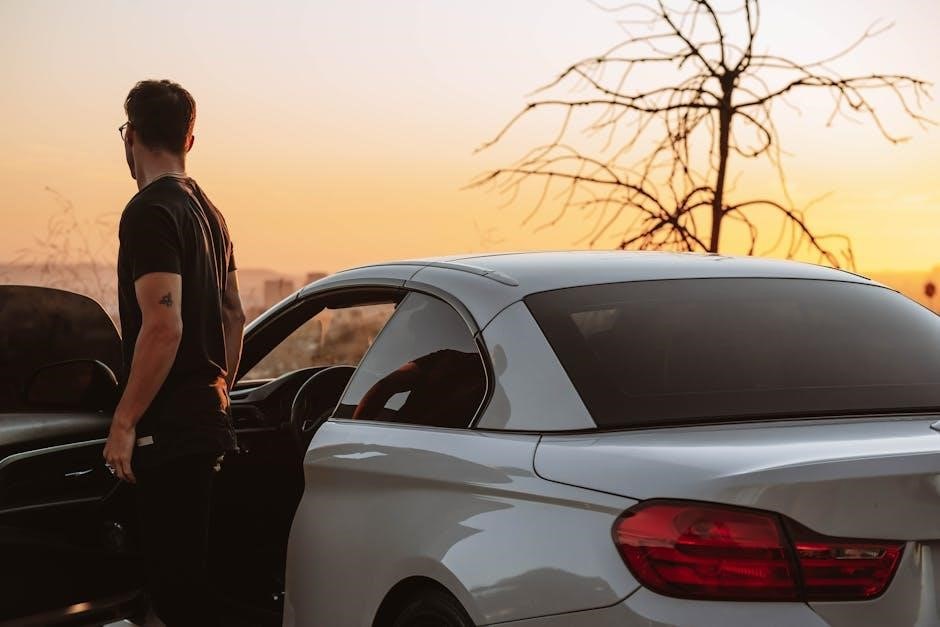
Each window tint film type presents unique advantages. Dyed films are the most affordable, offering basic glare reduction and privacy, though limited heat rejection. Metalized films excel at heat rejection and durability, enhancing comfort and potentially reducing AC usage, but can interfere with signals.
Ceramic films represent the premium option, providing superior heat and UV protection alongside signal-friendly composition, ensuring optimal comfort and device functionality. Carbon films strike a balance, delivering good heat rejection and UV blockage at a moderate price, without signal interference.
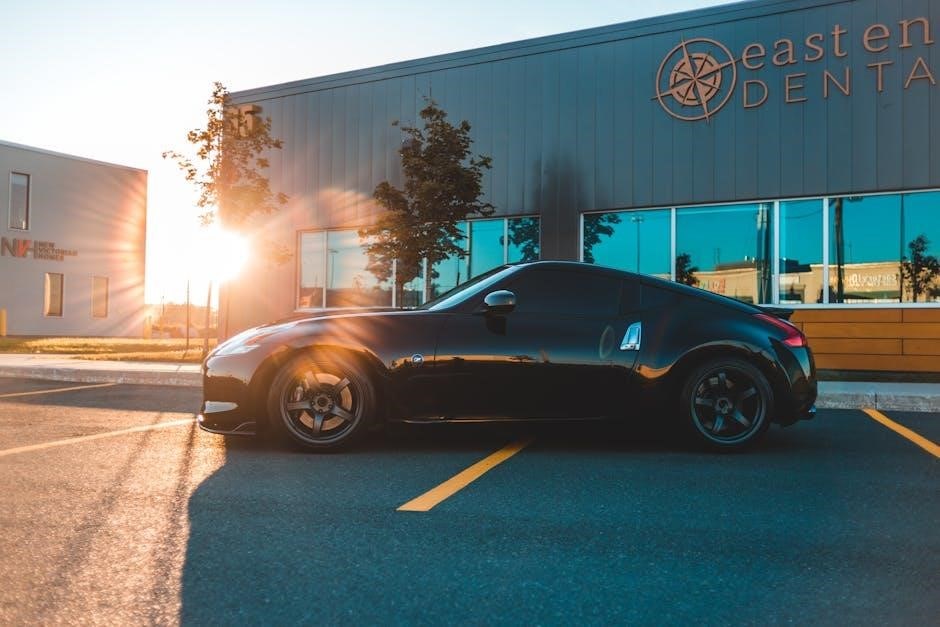
Ultimately, the best choice depends on individual needs and budget. Consider climate, desired level of privacy, and potential impact on vehicle electronics when selecting a film.
UV Protection and Window Tint
Window tint significantly enhances UV protection within a vehicle. While most automotive glass blocks some UVB rays, it allows a substantial amount of UVA radiation to penetrate. Prolonged UVA exposure contributes to skin damage, premature aging, and increases the risk of skin cancer.
High-quality window tint films are engineered to block up to 99% of UVA and UVB rays, creating a safer and more comfortable interior environment. This is particularly crucial for drivers and passengers who spend extended periods in the car, and for protecting children in the backseat.
Beyond health benefits, UV protection also safeguards the vehicle’s interior, preventing fading and cracking of the dashboard, seats, and other materials. Investing in UV-blocking tint is a proactive step towards long-term vehicle preservation.
Heat Rejection Capabilities of Different Tints
The ability of window tint to reject heat varies significantly based on its type. Dyed films offer basic heat reduction, primarily by absorbing some solar energy, making them the most affordable option. However, their heat rejection is limited, typically around 30-40%.
Metalized films incorporate metallic particles, boosting heat rejection to 50-60%. These films reflect a greater portion of solar energy, keeping the car cooler. Ceramic films represent the pinnacle of heat rejection, blocking up to 90% of infrared radiation – the primary component of heat – without altering the film’s appearance.
Carbon films strike a balance, offering good heat rejection (around 40-50%) and durability, often at a mid-range price point. Choosing the right tint depends on your climate and desired level of comfort.
The Tinting Process: What to Expect
Professional car window tinting typically takes between two to four hours, depending on the vehicle and complexity of the job. The process begins with a thorough cleaning of the windows, inside and out, to remove any dirt or debris. Next, the installer carefully cuts the tint film to precisely fit each window, using heat to mold it to the curves.
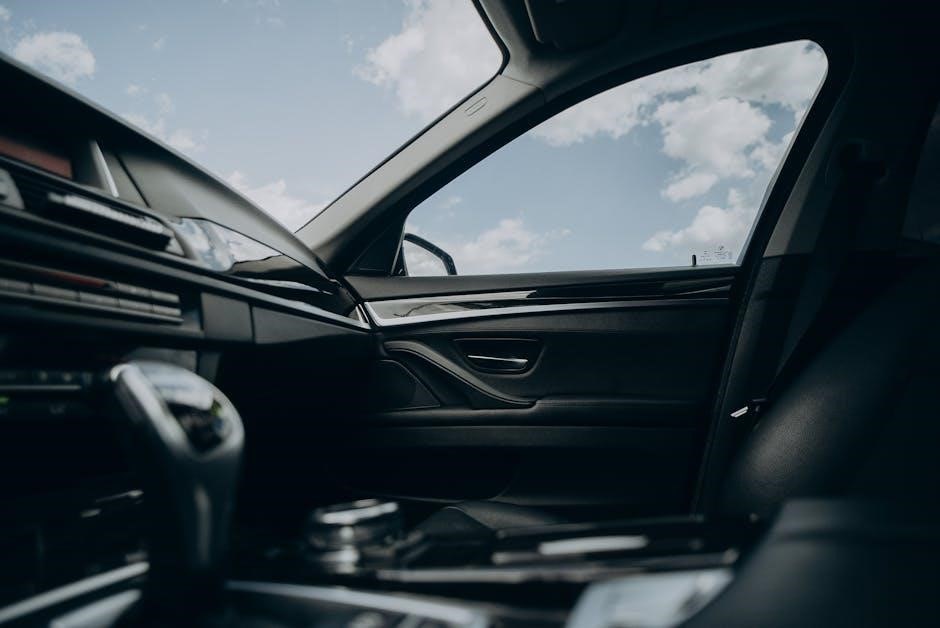
Any existing trim or moldings may be temporarily removed for a cleaner application. A slip solution is applied to the window, allowing the film to be positioned correctly before being smoothed out with a squeegee to eliminate bubbles and imperfections.
Finally, the windows are left to dry completely, which can take several days, requiring you to avoid rolling them down during this period.
Professional Tinting vs. DIY Tinting
While DIY tinting kits are available, professional installation offers significant advantages. Professionals possess the expertise to ensure a bubble-free, flawless application, avoiding common issues like peeling or fading. They utilize high-quality tools and films, guaranteeing durability and optimal performance.
DIY attempts often result in imperfections, requiring rework or complete replacement. Furthermore, professional tint shops typically offer warranties covering both the film and the installation, providing peace of mind.
Although DIY is cheaper upfront, the potential for errors, wasted materials, and lack of warranty can ultimately make professional tinting a more cost-effective and satisfying choice for most vehicle owners.
Cost of Car Window Tinting
The price of car window tinting varies considerably based on several key factors. Generally, expect to pay anywhere from $100 to $600 or more, depending on the vehicle type, film quality, and the extent of coverage desired.
Basic dyed films are the most affordable, typically ranging from $100-$200 for a sedan. Metalized films fall in the $200-$400 range, while premium ceramic tints, offering superior heat rejection, can cost $300-$600 or higher.
Larger vehicles like SUVs and trucks will naturally incur higher costs due to increased film usage. Additionally, removing old tint or addressing curved rear windows can add to the overall expense. Obtaining quotes from multiple shops is recommended to secure the best value.
Factors Affecting Tinting Costs
Several elements contribute to the final price of a car window tinting service. The most significant is the type of film chosen; dyed films are cheapest, while ceramic options command a premium due to their advanced heat-blocking capabilities.
Vehicle size plays a role, as larger vehicles require more film. The number of windows being tinted also impacts cost – a full tint (all windows) will be more expensive than a partial tint.
Complexity of the vehicle’s windows, particularly heavily curved rear windows, can increase labor costs. Removal of existing tint adds an extra charge. Finally, geographic location and the reputation of the tint shop influence pricing, with established shops often charging more for their expertise.
Caring for Your Tinted Windows
Proper care extends the life and appearance of your car’s window tint. Avoid rolling down windows for at least 96 hours after installation to allow the adhesive to fully cure – this prevents bubbling and peeling.
When cleaning, use a mild soap and water solution with a soft cloth or sponge; avoid ammonia-based cleaners, as they can damage the film. Do not use abrasive materials like paper towels.
Minimize contact with sharp objects near the windows. While quality tints are durable, excessive pressure or scratching can cause damage. Regular washing prevents dirt buildup, and avoid automatic car washes with abrasive brushes. Protecting your investment ensures long-lasting clarity and performance.
Common Tinting Problems and Solutions
Even with professional installation, issues can arise with car window tint. Bubbles and peeling often stem from improper installation or premature window operation; a heat gun can sometimes resolve small bubbles, but significant peeling requires re-tinting.
Fading and discoloration typically indicate low-quality film or prolonged UV exposure. Investing in a higher-grade ceramic or carbon film mitigates this. Water spots can be addressed with a dedicated tint cleaner, avoiding harsh chemicals.
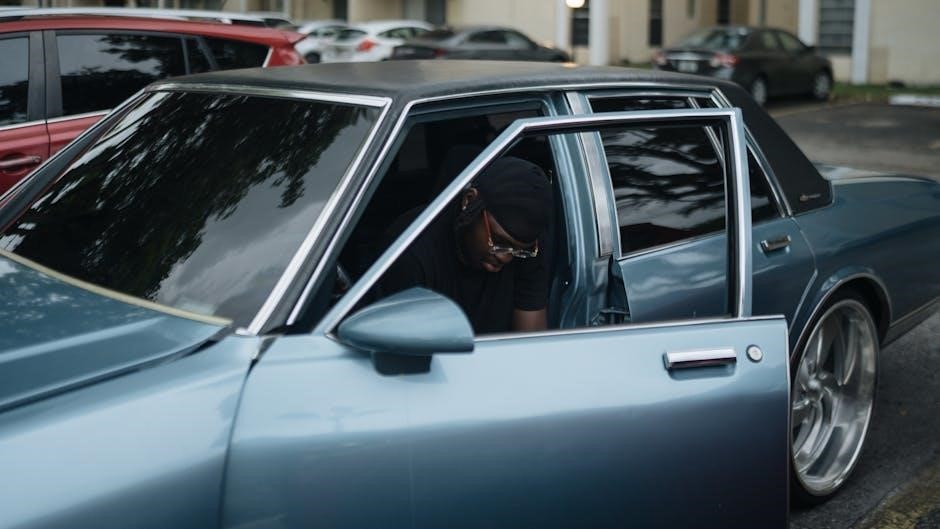
Haze or cloudiness might appear in colder temperatures, usually resolving as the car warms up. If persistent, it could signal film degradation. Addressing these promptly maintains visibility and aesthetic appeal, ensuring a clear and protected driving experience.
Bubbles and Peeling
Bubbles and peeling are common tinting frustrations, often resulting from inadequate surface preparation or improper application techniques. Small bubbles may disappear with time and heat exposure, but larger ones often indicate trapped moisture or debris. A gentle heat gun application can sometimes smooth them out, but caution is crucial to avoid damaging the film.
Peeling typically occurs at the edges due to insufficient adhesive bonding. This can be exacerbated by quickly rolling down windows post-installation. Minor peeling might be temporarily addressed with adhesive, but a full re-tint is usually necessary for a lasting solution. Prevention involves professional installation and adhering to recommended window operation waiting periods.
Fading and Discoloration
Fading and discoloration are signs of lower-quality tint film succumbing to prolonged UV exposure. Dyed films, being the most affordable, are particularly prone to this issue, losing their darkness and potentially turning purplish or hazy over time. This not only diminishes the aesthetic appeal but also reduces the tint’s effectiveness in heat and UV rejection.
Higher-quality films, like ceramic and metalized options, offer superior UV resistance and maintain their color integrity for much longer. Regular cleaning with appropriate automotive glass cleaners can help slow down the fading process. If significant discoloration occurs, replacement with a more durable film is often the best course of action to restore both appearance and performance.
Tint Removal: When and How
Tint removal becomes necessary for several reasons, including legal compliance after moving to a state with stricter laws, addressing significant damage like bubbling or peeling, or simply desiring a refreshed look. Attempting DIY removal can be risky, potentially damaging the glass with razor blades or causing adhesive residue.
Professional tint removal is highly recommended. Technicians utilize specialized tools – steam, heat guns, and ammonia-based solutions – to safely lift the film without scratching the glass. Thorough residue removal is crucial for a clean surface for re-tinting. While DIY kits exist, they often lack the effectiveness and precision of professional methods, increasing the risk of costly glass repairs.
Choosing a Reputable Tinting Shop
Selecting the right tint shop is paramount for a quality installation. Begin by seeking recommendations from trusted sources – friends, family, or online reviews. Verify the shop’s experience; established businesses typically demonstrate consistent quality. Inquire about the film brands they offer, prioritizing reputable manufacturers known for durability and UV protection.
A trustworthy shop will provide clear pricing and warranties. Don’t hesitate to request quotes from multiple locations, comparing both cost and included services. A solid warranty protects against defects like bubbling or fading. Observe the shop’s cleanliness and organization; a professional environment often reflects attention to detail. Finally, confirm they are aware of and adhere to local tint laws, ensuring your vehicle remains compliant.
Tint and Vehicle Warranty Considerations
Vehicle warranties and window tinting can present a complex relationship. Generally, applying window tint itself shouldn’t void your entire vehicle warranty. However, issues directly resulting from improper tint installation potentially could. For example, damage to electrical systems during installation might be disputed.
It’s crucial to understand your vehicle manufacturer’s warranty terms. Some dealerships may attempt to link tinting to unrelated problems, so documentation is key. Always choose a reputable, professional installer who understands potential warranty implications. Keep detailed records of the tinting process, including receipts and warranty information from the tint shop. Proactive communication with your dealership regarding tinting can also help avoid future conflicts and ensure a smooth warranty experience.
Future Trends in Window Tint Technology
The future of window tinting is rapidly evolving beyond traditional films. Expect to see advancements in nanotechnology, leading to tints with even greater heat rejection and UV protection capabilities. “Smart” or switchable tints, utilizing electrochromic technology, are gaining traction – allowing drivers to adjust tint darkness on demand.
Infrared (IR) blocking technology will become more sophisticated, minimizing interior heat buildup more effectively. Self-healing films, capable of repairing minor scratches, are also on the horizon. Integration with vehicle infotainment systems, controlling tint via a touchscreen, is a potential development. Furthermore, expect more eco-friendly and sustainable tint materials. These innovations promise enhanced comfort, safety, and convenience for vehicle owners, pushing the boundaries of window film performance.
Resources for Finding Local Tinting Laws
Staying compliant with window tint regulations requires diligent research. A crucial starting point is the International Window Film Association (IWFA) website, offering a comprehensive overview of laws by state. However, laws can vary even within a state, at the county or city level.
For precise details, consult your state’s Department of Motor Vehicles (DMV) website. Many DMVs provide downloadable guides or online search tools specifically addressing tint laws. Local law enforcement agencies can also offer clarification. Websites like AutoAnything and TintLaws.com compile information, but always verify with official sources. Remember, penalties for non-compliance can include fines and mandatory tint removal, so accurate information is paramount for legal and safe operation.