janome 3160qdc manual
Janome 3160QDC Manual: A Comprehensive Guide
This guide offers detailed instructions‚ troubleshooting‚ and resources for the Janome 3160QDC sewing machine‚ including free digital manuals and service manuals.
The Janome 3160QDC is a popular‚ computerized sewing machine known for its reliability and ease of use. This machine caters to both beginners and experienced sewists‚ offering a blend of essential and advanced features. Finding a comprehensive Janome 3160QDC manual is crucial for maximizing its potential.
Pocono Sew-Vac and eBay offer free digital manuals‚ including instruction guides available as PDFs on CD or for download. These resources cover everything from initial setup to advanced techniques. Accessing these manuals ensures users can confidently navigate the machine’s functions and maintain optimal performance. A service manual is also available for more in-depth maintenance.
Overview of Manual Contents
The Janome 3160QDC manual comprehensively covers all aspects of machine operation. Expect detailed sections on initial setup‚ including parts identification and powering on. It provides step-by-step guides for upper and lower threading‚ bobbin winding‚ and thread tension adjustment.
Furthermore‚ the manual details each stitch function‚ from straight stitch to buttonhole stitch and decorative stitches. Crucially‚ it includes troubleshooting advice for common issues like thread breakage and skipped stitches. Accessing these resources‚ often available as free digital manuals from Pocono Sew-Vac‚ is vital for optimal use.
Getting Started with Your Janome 3160QDC
Begin by carefully unboxing your machine and referencing the manual for initial setup and understanding all included parts before first use.
Unboxing and Initial Setup
Carefully unpack your Janome 3160QDC‚ ensuring all components are present. Retain the box for potential future transport or storage. Initial setup involves removing all packing materials‚ including styrofoam and protective coverings. Attach the power cord and ensure the machine is placed on a stable‚ level surface.
Before operating‚ familiarize yourself with the machine’s basic parts. Consult the instruction manual (available as a free digital download or on CD) for a detailed parts list and diagram. Proper setup is crucial for optimal performance and longevity. Pocono Sew-Vac offers resources and genuine parts to aid in this process.
Parts Identification
Key components of the Janome 3160QDC include the power switch‚ handwheel‚ stitch selection dial‚ speed control‚ reverse stitch lever‚ needle clamp‚ presser foot‚ and feed dogs. The bobbin winder and bobbin case are essential for lower threading. Genuine Janome accessory feet enhance functionality.
Refer to your instruction manual – available as a free digital download or on CD – for a detailed diagram identifying each part. Understanding these components is vital for threading‚ maintenance‚ and troubleshooting. Pocono Sew-Vac provides parts and resources to help you identify and replace components as needed.
Powering On and Basic Operation
To begin‚ ensure the machine is plugged into a properly grounded electrical outlet. Turn the power switch to the “ON” position. Use the speed control to adjust the sewing speed – slower for beginners‚ faster for experienced users. The handwheel allows manual control for precise positioning.
Select a stitch using the stitch selection dial and gently depress the foot pedal to start sewing. Always refer to your Janome 3160QDC instruction manual for detailed guidance. Free digital manuals are available online‚ simplifying the learning process.
Understanding the Control Panel
The control panel features a stitch selection dial‚ speed control‚ reverse stitch lever‚ and needle position control for optimized sewing functionality.
Stitch Selection Dial
The stitch selection dial on the Janome 3160QDC is your primary method for choosing the desired stitch pattern. Rotating the dial allows you to effortlessly cycle through a variety of options‚ including straight stitch‚ zigzag stitch‚ and numerous decorative stitches.
Each stitch is clearly marked with a corresponding number or symbol‚ making selection intuitive. The dial’s precise mechanism ensures accurate stitch engagement‚ vital for consistent results. Understanding the stitch options available through this dial unlocks the machine’s full creative potential‚ enabling diverse sewing projects.
Refer to the manual for a complete stitch chart and recommended uses for each setting.
Speed Control
The Janome 3160QDC features an intuitive speed control slider‚ allowing you to adjust the sewing pace to match your comfort level and the demands of your project. This is particularly useful for beginners learning control or for intricate techniques requiring slow‚ precise stitching.
Moving the slider upwards increases the sewing speed‚ while sliding it downwards reduces it. Experimenting with different speeds is crucial for achieving optimal stitch quality and preventing errors. Mastering speed control enhances your overall sewing experience and project outcomes.
Always start with a slower speed when beginning a new project.
Reverse Stitch Lever
The Janome 3160QDC utilizes a conveniently located reverse stitch lever‚ typically positioned behind the needle plate. Engaging this lever allows you to sew in reverse‚ essential for securing seams at the beginning and end of a stitch line – a process known as backstitching.
To activate reverse‚ simply lift and hold the lever while sewing. Releasing the lever returns the machine to forward stitching. Practice using the lever to create neat‚ secure backstitches‚ preventing fabric unraveling.
Consistent backstitching ensures durable and professionally finished seams.
Needle Position Control
The Janome 3160QDC features a needle position control‚ offering versatility for various sewing applications. This function allows you to set the needle to stop in either the up or down position when the foot pedal is released.
The ‘needle up’ position is ideal for pivoting fabric‚ while ‘needle down’ is perfect for appliqué work‚ preventing fabric layers from shifting. Adjusting this setting is crucial for precise control and efficient sewing.
Experiment with both positions to discover which best suits your project needs‚ enhancing your sewing experience.

Stitch Functions and Applications
Explore the diverse stitch options‚ including straight‚ zigzag‚ buttonholes‚ and decorative stitches‚ with detailed guidance on their uses and optimal settings.
Straight Stitch – Uses and Settings
The Janome 3160QDC’s straight stitch is a versatile foundation for numerous sewing projects. Utilize it for constructing garments‚ quilting‚ and general seam work. Adjust the stitch length based on fabric weight; shorter lengths for delicate fabrics and longer for heavier materials.
Experiment with stitch width settings‚ though typically kept at zero for a standard straight stitch. Ensure proper needle selection corresponding to the fabric type. Refer to the manual for recommended settings for various fabrics. Practice on scrap fabric to achieve consistent‚ even stitches before beginning your project. Mastering this stitch is crucial for successful sewing outcomes.
Zigzag Stitch – Uses and Settings
The Janome 3160QDC’s zigzag stitch offers flexibility beyond basic seams. Employ it for finishing raw edges‚ preventing fabric fraying‚ and creating decorative elements. Adjust both stitch width and length to achieve desired effects; wider for stretch fabrics and narrower for delicate finishes.
Experiment with different width and length combinations on scrap fabric. Utilize it for appliqué‚ attaching elastic‚ and creating buttonholes (though a dedicated buttonhole foot is recommended). Consult the manual for optimal settings based on fabric type and application. Consistent tension is key for a balanced zigzag stitch.
Buttonhole Stitch – Step-by-Step Guide
The Janome 3160QDC simplifies buttonhole creation. First‚ attach the buttonhole foot. Select the buttonhole stitch on the dial. Measure the button’s diameter and adjust the stitch length accordingly using the manual’s guidance. Place the button under the presser foot’s guide.
Sew slowly‚ allowing the machine to complete the buttonhole sequence automatically. Avoid pulling or pushing the fabric. Repeat for additional buttonholes‚ ensuring consistent sizing. Carefully cut open the buttonhole using the designated cutter on the presser foot or small scissors.
Decorative Stitches – Exploring Options
The Janome 3160QDC boasts a variety of decorative stitches for embellishing projects. Explore the stitch selection dial to discover patterns like shells‚ flowers‚ and geometric designs. Consult the manual for stitch numbers and recommended settings – stitch width and length significantly impact the final look.
Test stitches on scrap fabric before applying them to your project. Use appropriate thread and stabilizer for optimal results. Consider decorative stitches for monograms‚ quilting details‚ or adding unique borders. Experiment with different combinations to personalize your creations!
Threading the Janome 3160QDC
Proper threading – upper‚ lower‚ and bobbin winding – is crucial for optimal performance. Refer to the manual for detailed diagrams and step-by-step instructions.
Upper Threading Guide
Successfully threading the upper portion of your Janome 3160QDC is fundamental to its operation. Begin by ensuring the machine is powered off. Place the spool of thread onto the spool pin‚ securing it with the spool cap. Guide the thread through the thread guide‚ then down and around the tension disc – critical for proper stitch formation.
Next‚ lead the thread through the take-up lever‚ ensuring it’s in its highest position. Continue threading down through the thread guide on the machine head‚ and finally‚ through the needle eye‚ from front to back. Always double-check that the thread is securely seated in all guides for smooth operation and to prevent issues like thread breakage.
Bobbin Winding
Proper bobbin winding is essential for consistent sewing with your Janome 3160QDC. First‚ place the thread spool on the spool pin and secure it. Next‚ guide the thread through the designated bobbin winding tension disc. Then‚ thread the end of the thread through a hole in the bobbin‚ and place the bobbin onto the bobbin winder spindle.
Push the bobbin winder to the right and engage it by pressing the foot pedal gently. Allow the bobbin to wind evenly‚ stopping when it’s full. Remember to disengage the winder and trim the thread. A correctly wound bobbin ensures balanced stitch quality;
Lower Threading Guide
Correct lower threading is crucial for the Janome 3160QDC’s operation. After winding the bobbin‚ insert it into the bobbin case‚ ensuring it clicks into place. Guide the thread through the tension spring on the bobbin case‚ then through the slot.
Next‚ lift the presser foot and pull the thread up through the needle plate hole. Gently pull the thread towards the back of the machine. Ensure the thread is properly seated in the tension mechanism for balanced stitches. Incorrect threading can lead to skipped stitches or thread bunching.
Thread Tension Adjustment
Proper thread tension is vital for quality stitching on the Janome 3160QDC. Begin with the tension dial set to the default ‘4’. Test stitch on a scrap fabric. If loops form on the underside‚ increase the tension (higher number).
Conversely‚ if loops form on the top‚ decrease the tension (lower number). Small adjustments are key; a slight turn can make a significant difference. Consider thread type and fabric weight when adjusting; Consistent tension ensures balanced‚ professional-looking seams.

Maintenance and Troubleshooting
Regular cleaning and lubrication‚ alongside solutions for common issues like thread breakage and skipped stitches‚ will ensure your Janome 3160QDC’s longevity.
Cleaning the Machine
Maintaining a clean Janome 3160QDC is crucial for optimal performance. Regularly remove lint and dust from the bobbin area‚ feed dogs‚ and needle plate using a brush. Power off and unplug the machine before cleaning. A small vacuum cleaner attachment can help remove debris from hard-to-reach areas. Wipe down the exterior with a soft‚ damp cloth. Avoid using harsh chemicals or abrasive cleaners‚ as these can damage the machine’s finish. Consistent cleaning prevents thread jams and ensures smooth operation‚ extending the lifespan of your sewing machine. Remember to clean after each use for best results!
Oil Points and Lubrication
Proper lubrication ensures the Janome 3160QDC operates smoothly. Locate the designated oil points – typically around the bobbin area and the machine’s internal mechanisms. Use only sewing machine oil; other lubricants can cause damage. Apply a small drop to each oil point‚ and then operate the machine briefly to distribute the oil. Avoid over-oiling‚ as excess oil attracts dust and lint. Regular lubrication‚ performed as needed (usually every few months with regular use)‚ minimizes friction and prevents wear and tear‚ keeping your machine in peak condition.
Troubleshooting Common Issues (Thread Breakage)
Thread breakage can stem from several causes. First‚ re-thread the machine‚ ensuring the thread is properly seated in all guides and the tension discs. Check the needle – a bent or dull needle is a frequent culprit. Confirm you’re using the correct needle type and size for your fabric. Adjust thread tension; too-tight tension can cause breaks. Also‚ ensure the bobbin is wound evenly and correctly inserted. Finally‚ verify the threading path is clear of lint or obstructions‚ as these can snag the thread.
Troubleshooting Common Issues (Skipped Stitches)
Skipped stitches often indicate a problem with the needle or threading. Begin by replacing the needle with a new one of the correct type and size for your fabric. Double-check that the needle is fully inserted into the machine. Ensure the machine is correctly threaded‚ paying close attention to the thread guides and tension discs. Adjust thread tension – improper tension is a common cause. Finally‚ verify the bobbin is correctly inserted and wound evenly‚ as a poorly wound bobbin can also lead to skipped stitches.
Advanced Features and Techniques
Explore free motion quilting‚ optional presser feet utilization‚ presser foot pressure adjustments‚ and a comprehensive needle selection guide for enhanced sewing.
Free Motion Quilting
Unleash your creativity with the Janome 3160QDC’s free motion quilting capabilities. This technique allows for intricate designs and personalized stitch patterns‚ moving the fabric freely under the needle.
To begin‚ attach the appropriate free motion quilting foot (often a hopping foot). Lower the feed dogs‚ ensuring the fabric isn’t mechanically advanced. Gently move the fabric‚ guiding your stitches to create desired patterns.
Experiment with different thread weights and needle sizes for varied effects. Practice consistent movement and speed for smooth‚ flowing designs. Resources and tutorials are available online to further refine your free motion quilting skills with this versatile machine.
Using Optional Presser Feet
Expand your Janome 3160QDC’s functionality with a range of optional presser feet. These specialized feet cater to diverse sewing projects‚ enhancing precision and efficiency.
Available options include a buttonhole foot for consistent results‚ a zipper foot for close-stitch applications‚ and a blind hem foot for professional finishes. A quilting foot facilitates even stitch distribution‚ while an appliqué foot simplifies intricate designs.
Pocono Sew-Vac and the Janome official website offer a comprehensive selection of compatible presser feet. Refer to your manual for proper installation and usage guidelines‚ unlocking the full potential of your machine.
Adjusting Presser Foot Pressure
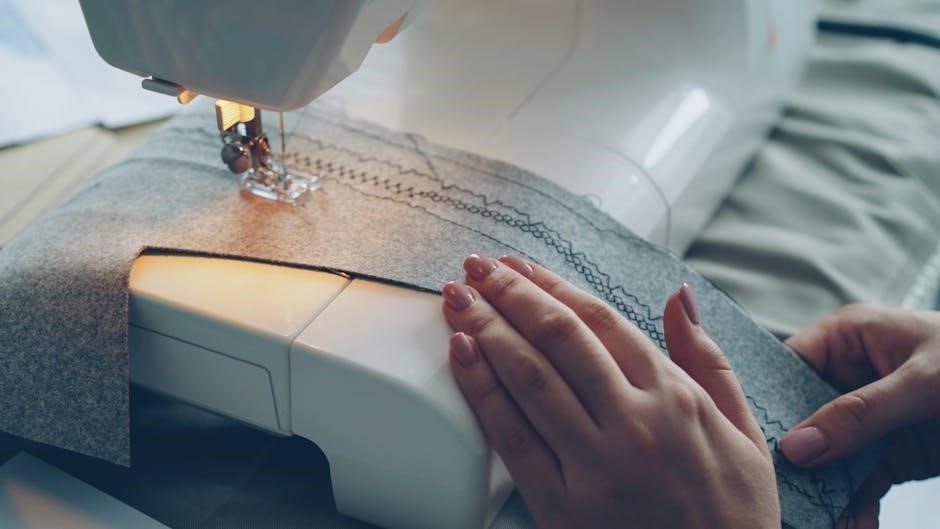
Optimizing presser foot pressure is crucial for achieving high-quality stitches on various fabrics. The Janome 3160QDC allows for adjustments to accommodate different material thicknesses and textures.
Lowering the pressure is ideal for delicate fabrics like silk or chiffon‚ preventing puckering and ensuring smooth feeding. Increasing the pressure is beneficial for thicker materials such as denim or multiple layers‚ providing sufficient grip.
Consult your Janome 3160QDC manual for specific instructions on locating and adjusting the pressure dial. Experiment with different settings to find the optimal pressure for your project‚ resulting in consistently beautiful results.
Needle Selection Guide
Choosing the correct needle is paramount for successful sewing with your Janome 3160QDC. Different fabrics require different needle types and sizes to prevent damage and ensure optimal stitch quality.
Universal needles are suitable for woven fabrics‚ while ballpoint needles are designed for knit fabrics‚ preventing skipped stitches and fabric runs. Denim needles are robust enough for heavier materials like denim and canvas.
Needle size corresponds to fabric weight; smaller numbers for lightweight fabrics and larger numbers for heavier fabrics. Refer to your Janome 3160QDC manual for a detailed chart and always use high-quality needles.

Safety Precautions
Always prioritize safety when operating the Janome 3160QDC‚ following guidelines for electrical use and avoiding potential needle injuries during operation.
General Safety Guidelines
Before operating your Janome 3160QDC‚ carefully read the entire manual to understand all safety precautions. Always disconnect the machine from the power source when not in use‚ during threading‚ changing the needle‚ or performing maintenance. Keep fingers away from moving parts‚ like the needle and presser foot‚ while sewing.
Never force the fabric; let the machine feed it naturally. Ensure the area around the machine is well-lit and free of obstructions. Do not use the machine if it is damaged or malfunctioning. Supervise children closely when they are near the sewing machine. Regularly inspect the power cord for damage and replace if necessary.
Electrical Safety
To prevent electrical shock‚ always ensure the Janome 3160QDC is properly grounded. Never operate the machine with a damaged power cord or plug. Do not immerse the machine‚ cord‚ or plug in water or other liquids. Always unplug the machine before cleaning or changing parts.
Avoid using extension cords if possible; if necessary‚ use a heavy-duty extension cord rated for the machine’s amperage. Do not operate the machine in damp or wet locations. If the machine malfunctions or exhibits unusual electrical behavior‚ disconnect it immediately and seek professional repair. Regularly inspect the plug and cord.
Avoiding Needle Injuries
Always use the correct needle type and size for your fabric. Never sew over pins or attempt to sew through hard objects. Keep fingers away from the needle area while the machine is operating. Use the needle plate as a guide when feeding fabric. When changing the needle‚ ensure the presser foot is raised and the power is off.
Dispose of broken or bent needles carefully to prevent accidental punctures. Never catch fabric while it’s being sewn. If a needle breaks‚ stop the machine immediately and carefully remove the broken pieces. Consider using a seam ripper for delicate fabric removal.

Resources and Support
Find digital manuals online at Pocono Sew-Vac and the Janome official website. Service manuals are also available‚ offering detailed repair information.
Finding Digital Manuals Online
Accessing the Janome 3160QDC manual digitally is remarkably convenient. Pocono Sew-Vac provides free digital manuals readily available for download‚ ensuring you have immediate access to guidance. These manuals cover various models‚ including the 3160QDC-G‚ 3160QDC-B‚ and 3160QDC-T.
Furthermore‚ the Janome official website serves as a comprehensive resource for manuals and support materials. You can often find downloadable PDFs or view interactive versions directly on their site. Consider exploring eBay for options like PDF manuals on CD‚ offering a physical backup alongside digital access. These resources empower you to quickly resolve issues and maximize your sewing experience.
Janome Official Website
The Janome official website is a primary hub for all things related to your 3160QDC sewing machine. Here‚ you’ll discover a wealth of resources‚ including downloadable instruction manuals in PDF format. Explore their support section for frequently asked questions‚ troubleshooting guides‚ and helpful tips to enhance your sewing projects.
Beyond manuals‚ Janome’s site offers information on accessories‚ parts‚ and potential service options. Registering your machine provides access to exclusive content and updates. Utilize their search function to quickly locate specific information related to the 3160QDC‚ ensuring you have the latest guidance at your fingertips.
Pocono Sew-Vac Resources
Pocono Sew-Vac provides a dedicated online platform for Janome 3160QDC owners seeking manuals and parts. They offer free digital manuals for immediate download‚ eliminating shipping costs and providing instant access to essential guidance. Browse their extensive catalog of accessories‚ including presser feet‚ needles‚ and threads‚ specifically tailored for the 3160QDC model.
Furthermore‚ Pocono Sew-Vac features a digital brochure for the machine‚ offering a comprehensive overview of its features. Genuine Janome parts are readily available‚ ensuring compatibility and optimal performance. Their website simplifies finding the resources you need to maintain and operate your sewing machine effectively.
Service Manual Availability
A Janome 3160 Qdc Sewing Machine Service Manual is available digitally through platforms like Issuu. This detailed manual provides in-depth technical information for repairs and advanced maintenance‚ going beyond the standard user guide. It is a valuable resource for experienced technicians or those comfortable with machine disassembly and troubleshooting.
Accessing the service manual allows for a deeper understanding of the machine’s internal workings. However‚ it’s important to note that service manuals are intended for qualified individuals and require a certain level of mechanical aptitude. Consider professional servicing if you are not comfortable performing complex repairs yourself.